Size: 35-45mm
Status: Non-Native/Naturalised
Venom: Mild (Comparable to nettle sting)
Class: Arachnid
UK Population: ~15,000
Lifespan: 3-5 Years
Watch the full episode on these Scorpions in the UK here:
Did you know?
Scorpions are some of the oldest animals in the world (over 400 million years!), remaining almost unchanged since long before the time of dinosaurs. Some of the earliest scorpions lived in the sea, back when not even trees existed!
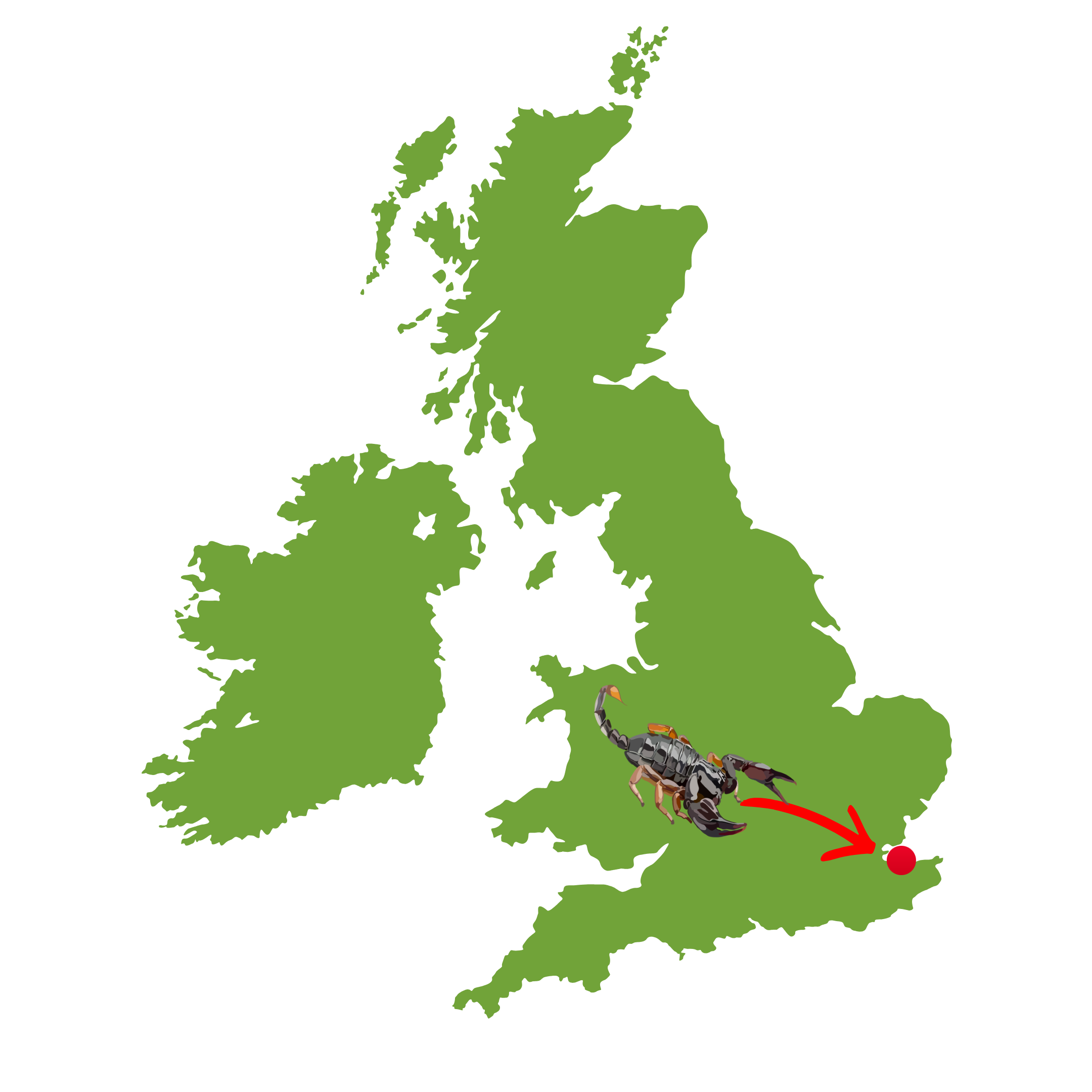
The European Yellow Tailed Scorpion is not native to our shores, but found its way here on ships from the Mediterranean around 200 years ago. Several colonies established themselves in major docks in the UK but only one stood the test of time, in Sheerness, where 10,000-15,000 of them now live, primarily found within one wall! There is a second colony found in East London Docks, believed to have been established by individuals that made there way there on boats travelling up the Thames from the Sheerness Colony, rather than from their native home in Southern Europe.
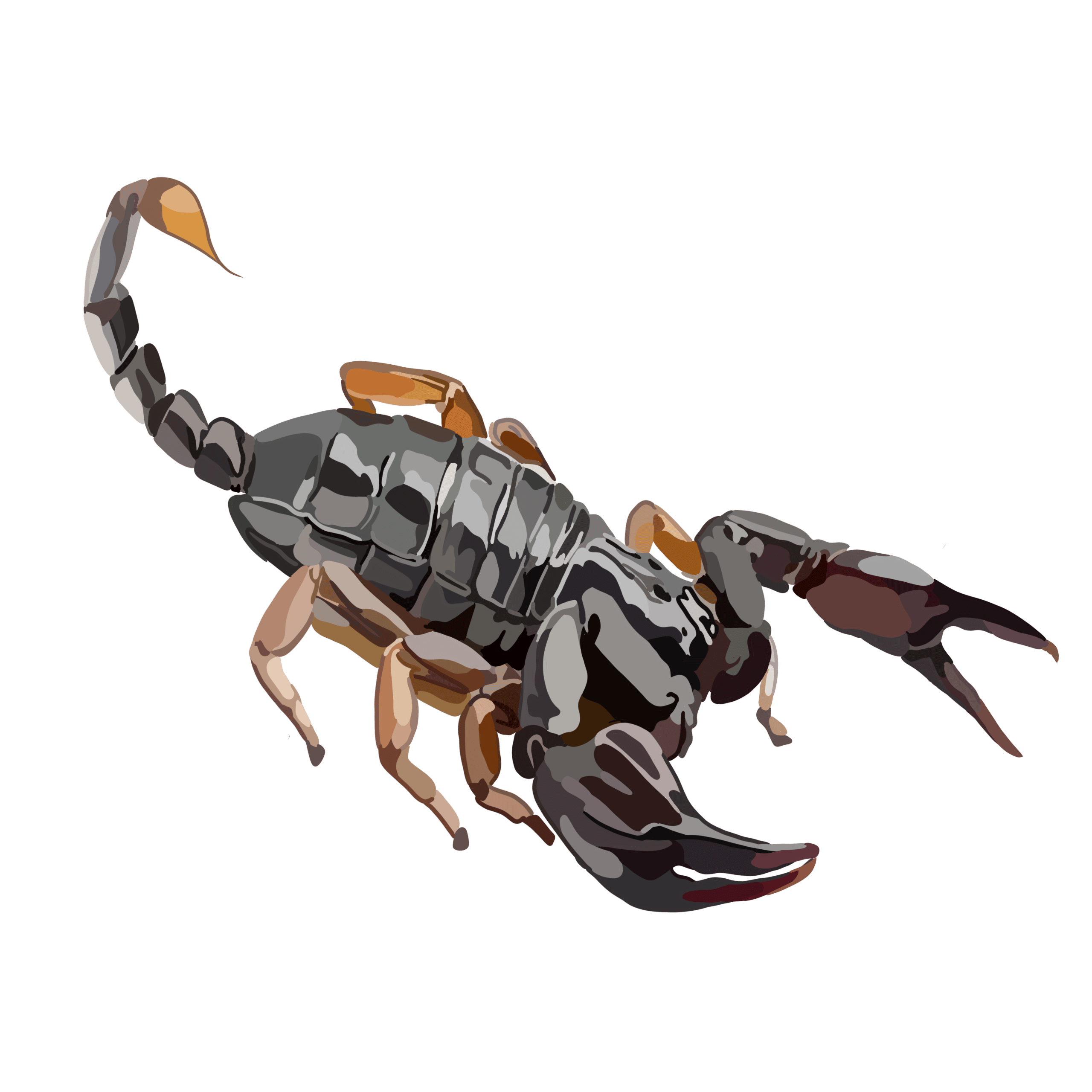
These scorpions are effectively harmless to us, with a mild sting and barely enough strength to even break the skin! They are however, very competent hunters, preying on woodlice, insects and other arachnids that they can catch in their large claws. In addition to their claws, or pedipalps as they are properly known, they have 8 legs, making them Arachnids like spiders, mites and ticks.
One thing that makes scorpions famous (and easy to find!) is their ability to fluoresce (glow) under UV light.
Did you know?
Scorpions have to moult (shed) their hard exoskeleton in order to grow. When they do this they are vulnerable as the new exoskeleton needs time to harden. Whilst they are still soft, they do not fluoresce under UV light!
As a non-native species, and one that isn’t endangered in its native range, they don’t get a lot of attention, and there is no concern about maintaining their populations here. As it stands, their population seems quite stable and it’s also quite possible that with our warming climate they may be able to expand their range more easily, establishing themselves in new areas. Something that holds them back from expanding their range though is the lack of suitable habitat for them.
In their native range they primarily live under stones in dry scrubby environments or within the gaps left by old stone buildings. Our more modern brick and mortar buildings leave little space for them, and the lack of suitable dry scrubland, especially in the proximity of the dockyards that they currently occupy, make expansion of their range a challenge and unlikely to happen naturally.
Regardless of whether they are able to colonise new parts of the country, they are an exciting addition to our wildlife here in the UK, claiming the title of our only wild scorpion!